Project detail
Explored how courtesy and tone in user prompts affect AI chatbot response quality and user experience. Conducted experimental studies using ChatGPT to analyze empathy, satisfaction, and cultural influences in conversational AI.

Objective
Investigated the impact of courtesy and politeness on human–AI communication, specifically how tone influences both AI chatbot response quality and the user’s self-perception. The study aims to inform ethical, effective conversational AI design by uncovering the psychological and cultural factors that govern respect and efficiency in interactions with systems like ChatGPT.
Key Study Features
Theory-Driven Mixed Methods Approach:
Grounded in Ethics of Care, Anthropomorphism Theory, and Moral Patiency.
Explores how politeness affects conversational outcome, satisfaction, and reciprocal user behaviors across cultures and fluency levels.
Scenario-Based Interaction Design:
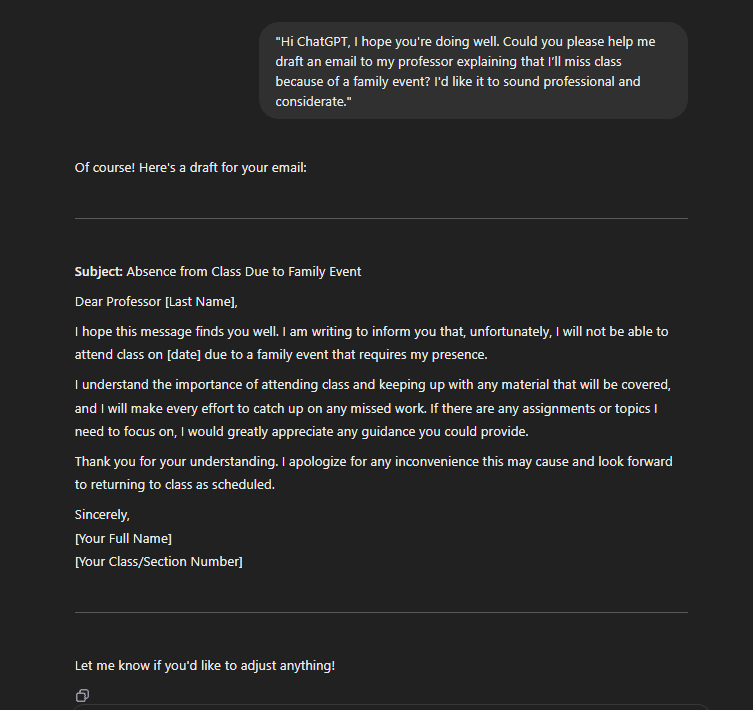
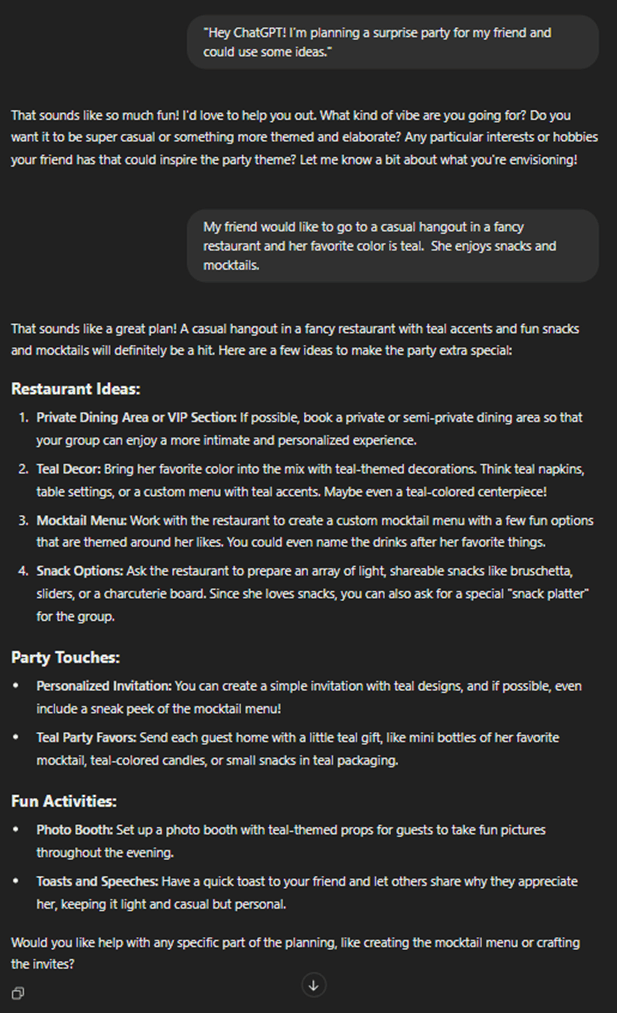
Controlled experiments with 100 participants using ChatGPT in polite, rude, and everyday scenarios.
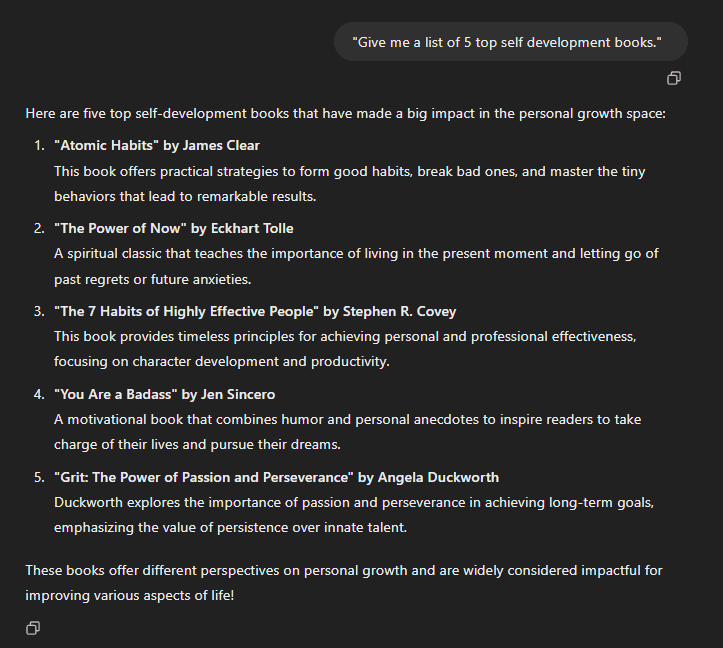
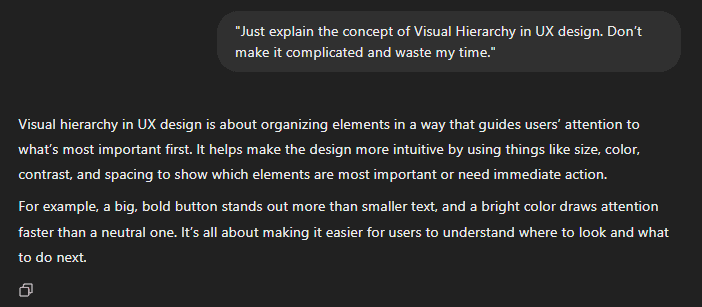
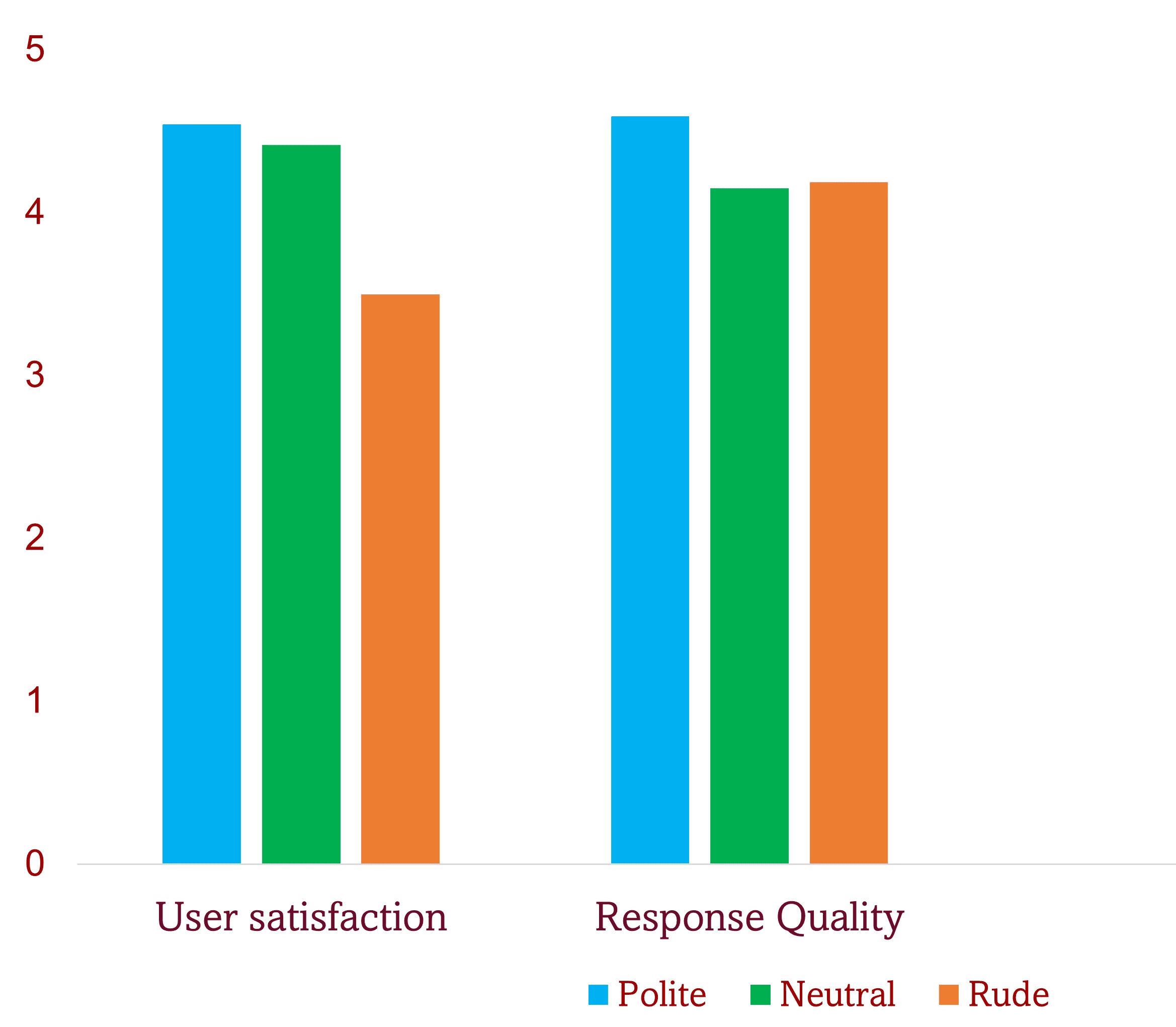
Three core interaction types (polite, rude, neutral) systematically tested response quality and user satisfaction.
Culturally Adaptive Analysis:
Data and qualitative insights segmented by cultural and technological backgrounds (e.g., Asians Americans, Central Asians).
Our study shows that ideas about politeness between people also apply when people talk to AI. The same social rules we use with other humans can carry over into our interactions with chatbots.
Research Workflow
Stakeholder Identification:
Survey participants were screened for demographics, tech fluency, and cultural/ethical beliefs to shape interaction scenarios.Interaction Wireframing:
Simulated tasks (email writing, party planning, etc.) crafted with varied tone and wording to reveal differences in AI output and user experience.Iterative Testing & Analysis:
Daily longitudinal studies over one week compared effects of consistent polite vs. rude engagement. Both Likert-scale and open-ended feedback captured perceptions of empathy, satisfaction, and moral self-appraisal.Thematic Synthesis:
Statistical correlation plus qualitative topic modeling used to interpret trends in response quality and self-esteem shifts. Findings triangulated against Brown & Levinson’s politeness theory and the CASA paradigm.
Results
For users:
Polite prompts consistently yielded more detailed, empathetic, and satisfactory chatbot replies (over 87% agreed that courteous interaction improved response detail and personalization).
Users reported elevated self-regard after polite interactions, experiencing a sense of respect and alignment with personal values; rude interactions triggered discomfort and guilt, especially in collectivist cultures.
For AI and design:
Rude prompts produced terser, less contextual responses; in some cases, AI systems activated meta-responses focused on tone moderation.
Anthropomorphic and culturally tailored chatbots fostered trust and engagement, while overly human-like designs risked user discomfort (uncanny valley effect).
Novice users linked politeness to improved output, while experienced users prioritized directness for efficiency.
Impact
For conversational AI:
Reinforces that courtesy is not a mere social nicety, but a functional element in successful human-AI partnership and user psychological well-being.
Suggests design strategies for ethical, culturally sensitive, and adaptive chatbots e.g., context-aware politeness parameters and mechanisms to encourage constructive, respectful exchanges.
For future research:
Calls for cross-cultural field studies in real-world, high-stakes settings.
Recommends development of ethical guardrails and real-time feedback systems to foster positive long-term engagement with AI.